
Overview
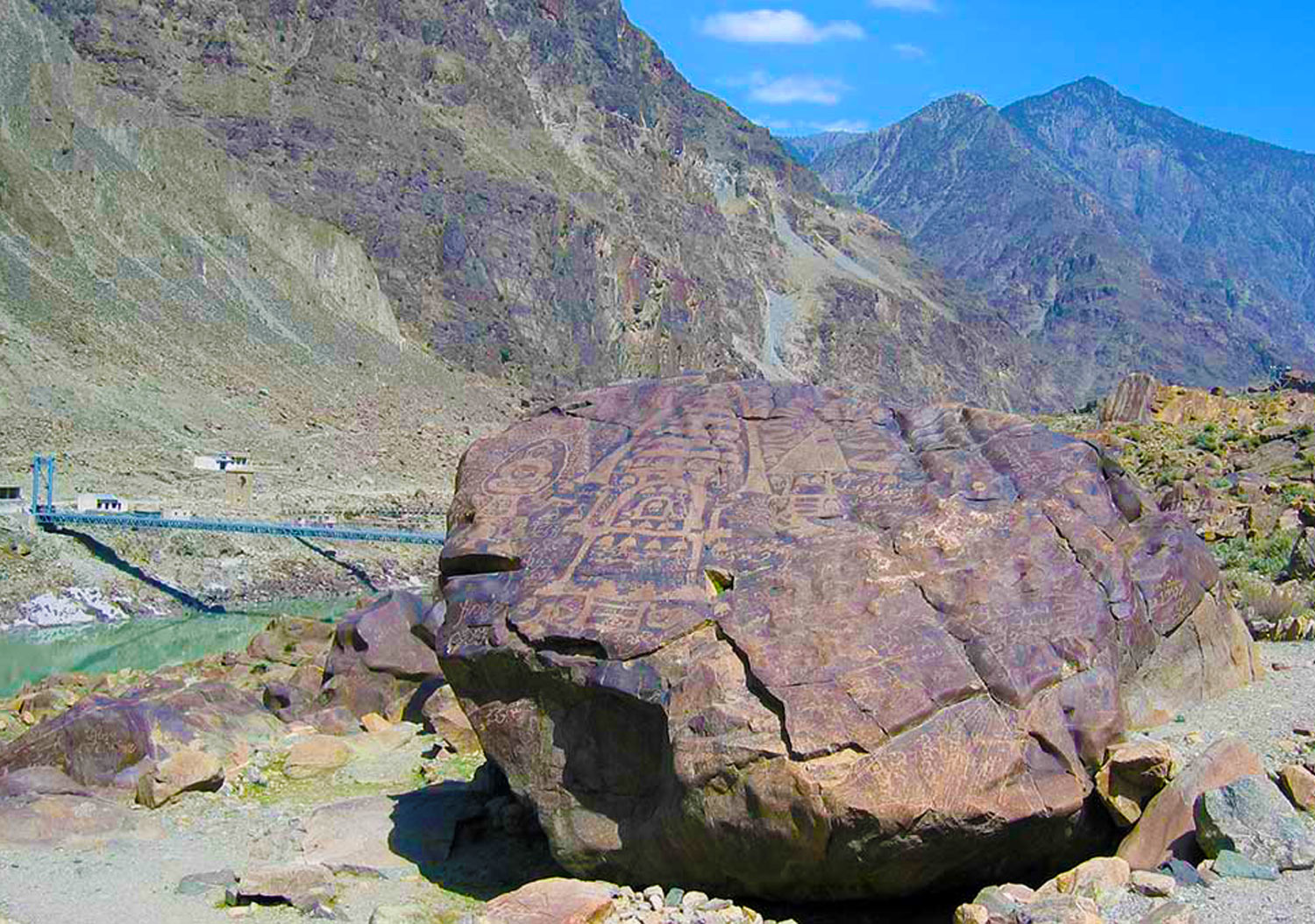
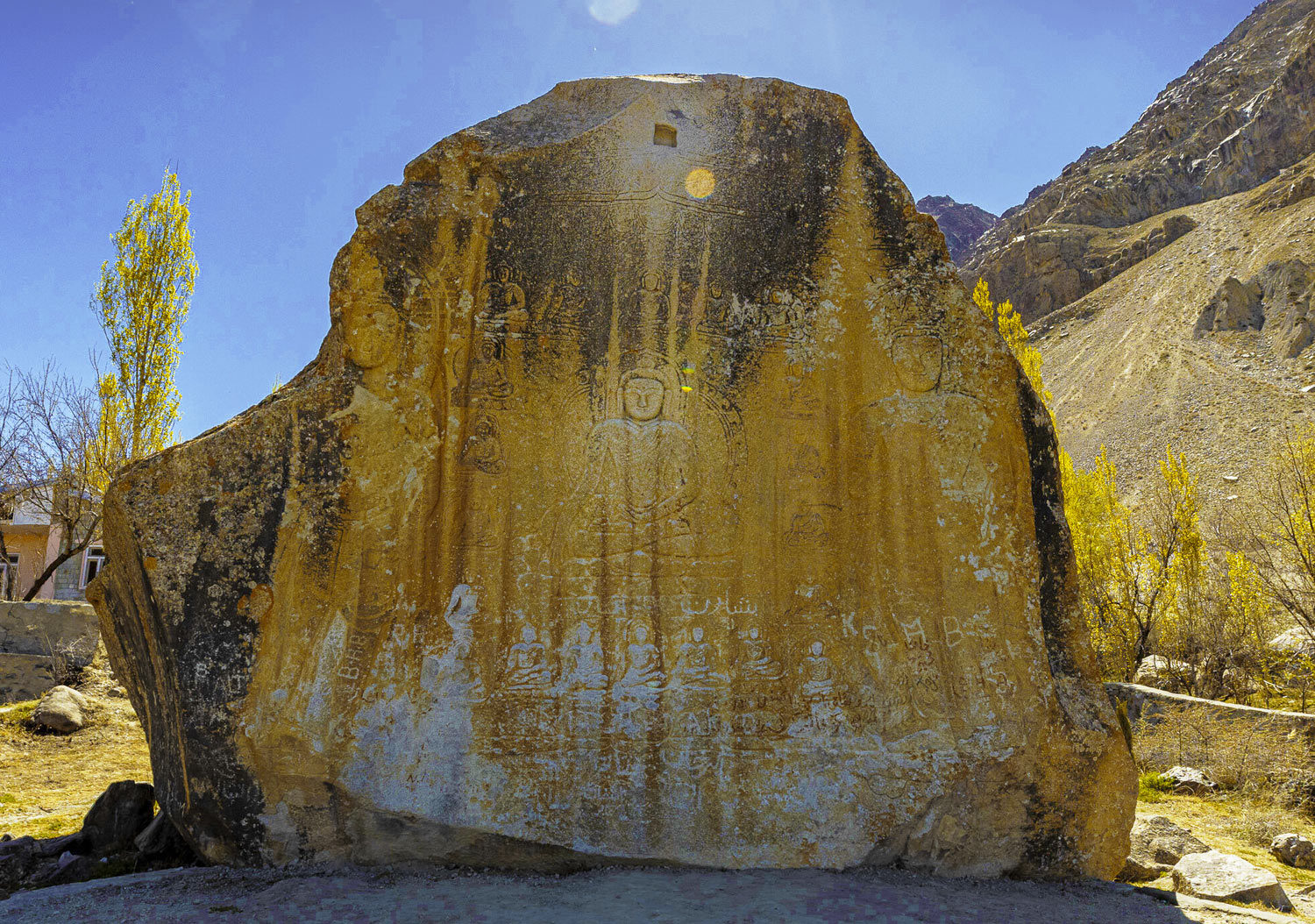
The Gandhara heritage thrived in what is now northern-western Pakistan and eastern Afghanistan, roughly between the 1st millennium BCE and the 1st millennium CE. This region served as a crossroads for trade and cultural exchange, bringing together influences from India, Central Asia, and the Middle East.
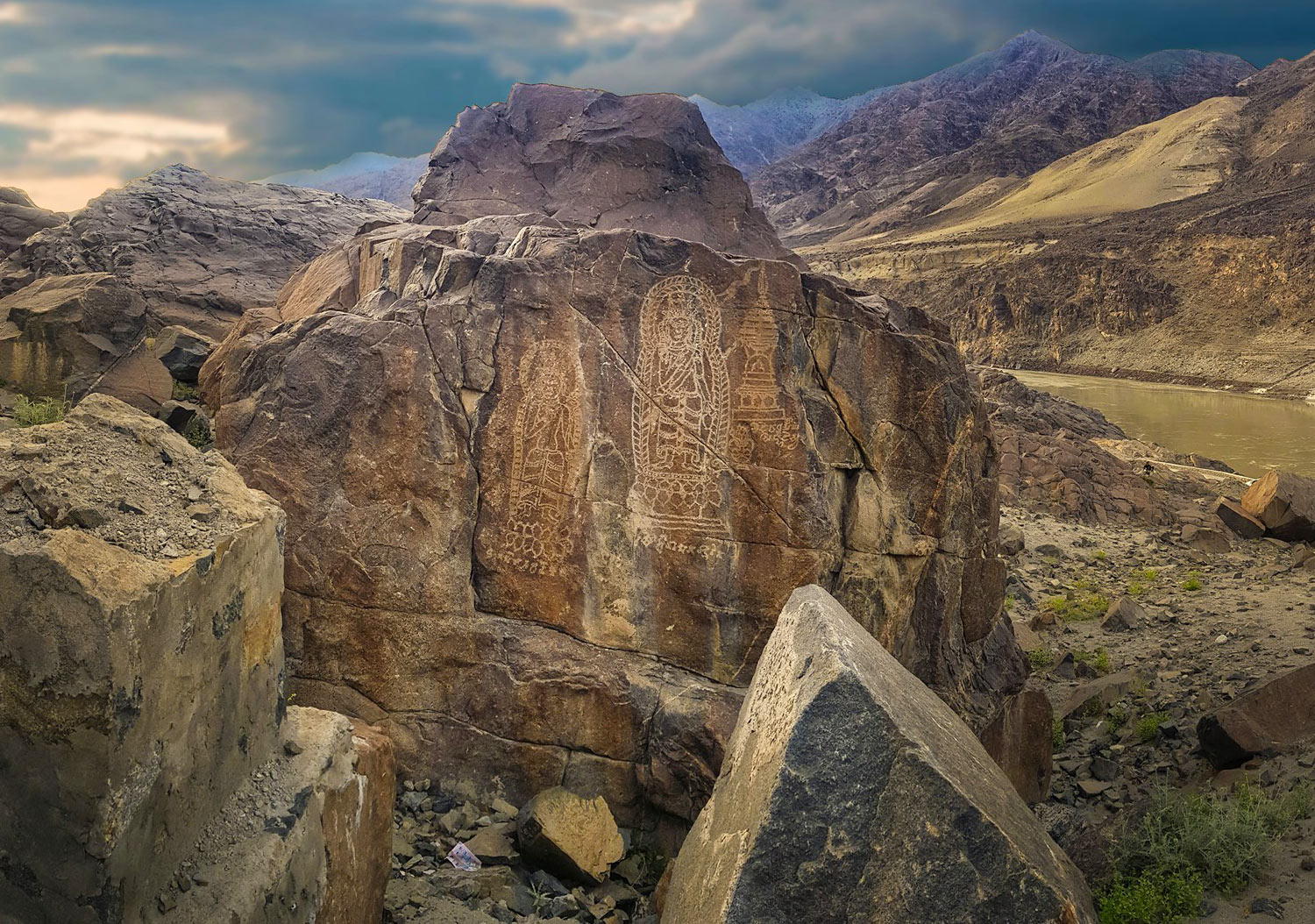
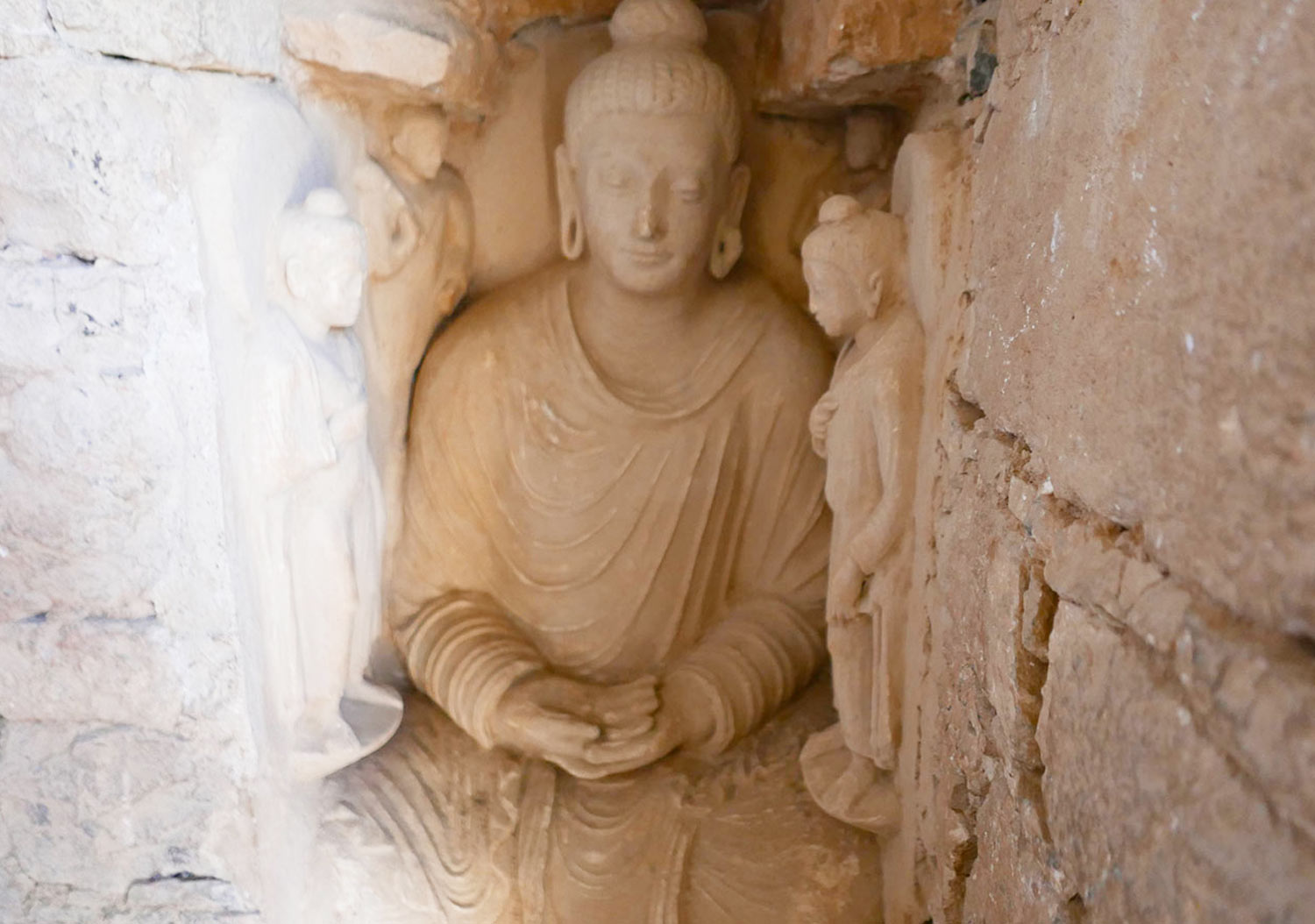
The Gandhara civilization wasn’t a single unified empire, but rather a collection of kingdoms and empires that all shared a reverence for Buddhism and adopted a unique artistic style known as Gandhara art. This art style blended aspects of Indian Buddhist art with Greco-Roman influences, creating a truly distinctive visual language for depicting the life of the Buddha.
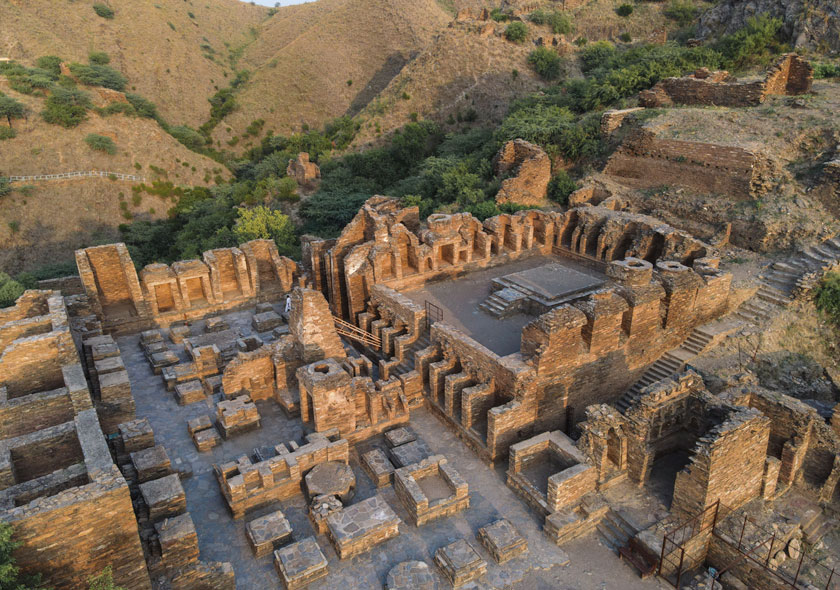
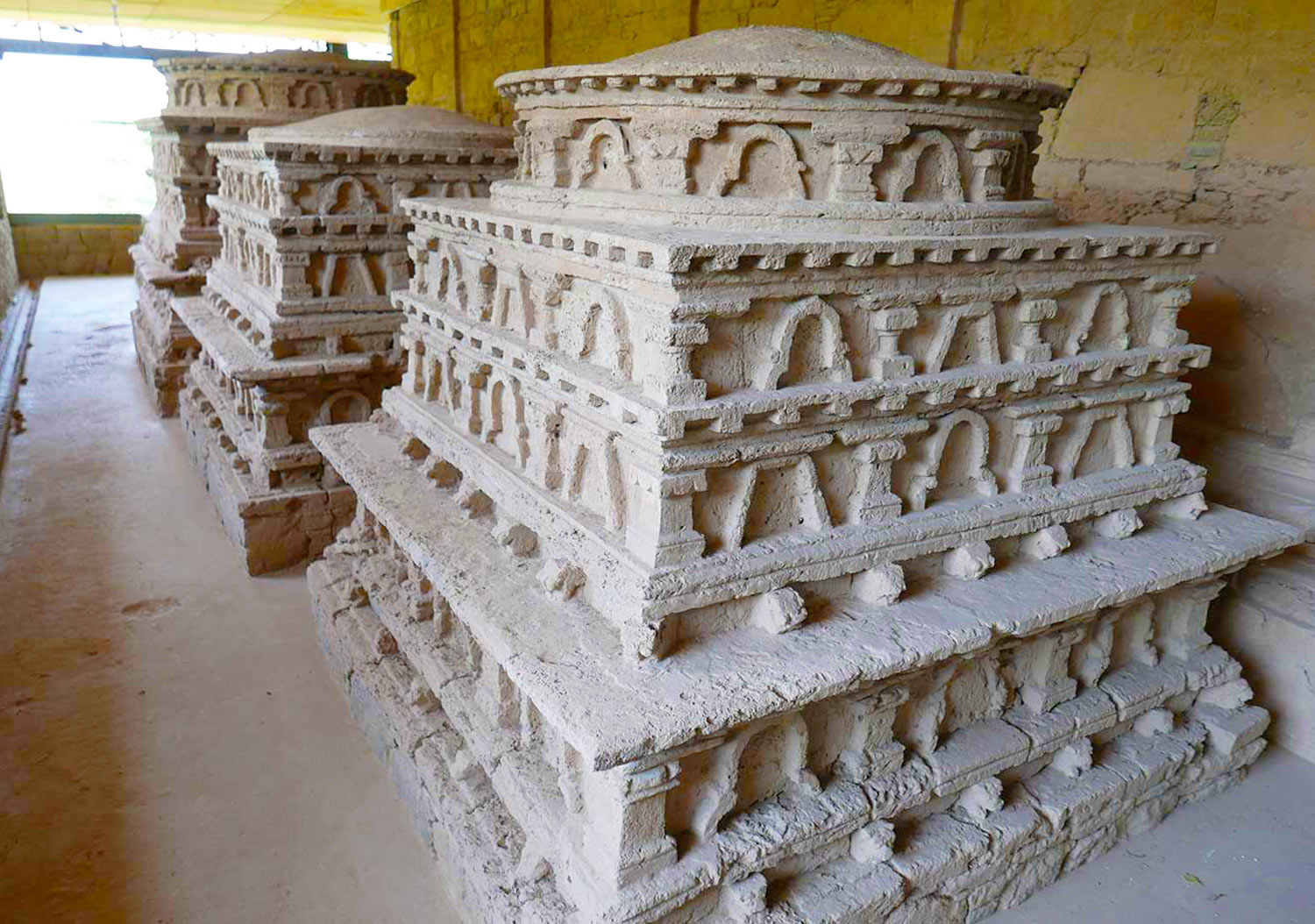
Some of the major cities of the Gandhara civilization included Taxila, Peshawar, Pushkalavati (Charsadda), and Swat. These cities were not only centers of trade and administration but also important hubs of Buddhist learning and artistic production. Today, the archaeological remains of these cities continue to be excavated, offering us a glimpse into the life and culture of the Gandharan people.